

There is a moment most men know well. The closet door swings open, and hanging there—pressed between dry-cleaning bags and forgotten blazers—is a suit, a sport coat, or a dress shirt that cost real money and carries real memory.
Maybe it no longer fits. Maybe the lapels feel dated. Maybe it simply stopped working the way it used to. Most men, at that point, either donate it or let it collect more dust.
Neither is the right answer.
Knowing how to upcycle old clothes is one of the most underrated skills in a professional’s wardrobe strategy. Done well, it is not about being frugal or trendy—it is about recognizing that quality fabric, when handled by the right hands, has a second life.
And in a city like Atlanta, where first impressions are currency and personal style is a competitive advantage, that second life can be just as sharp as the first.
ATL Tailor has spent years helping Atlanta professionals breathe new purpose into garments they thought were past saving. What follows is a practical, no-nonsense guide to upcycling old clothing—covering what any style-conscious man can do at home, where those efforts hit a ceiling, and when the only right move is calling someone who has spent a lifetime working with fabric.
What Upcycling Old Clothes Actually Means—Beyond the DIY Clichés
The word “upcycle” gets overused in sustainable fashion circles, often attached to craft projects that have nothing to do with how serious dressers think about clothes. For the purpose of this guide, upcycling old clothes means transforming a garment that no longer serves its original function into something that does—through redesign, alteration, structural repair, or creative repurposing.
It is not about cutting up an old blazer and making it into a tote bag. It is about looking at a jacket with a blown shoulder seam and understanding that a garment tailor can reset that seam, re-structure the shoulder, and return the piece to rotation. It is about recognizing that a bespoke suit from five years ago—now sitting two sizes too large after a significant body change—can be taken apart and rebuilt. That is not sentimental thinking. That is intelligent wardrobe management.
The distinction matters because it shapes how one approaches the problem. Upcycling, done right, is a collaboration between the owner’s vision and a skilled craftsperson’s execution.
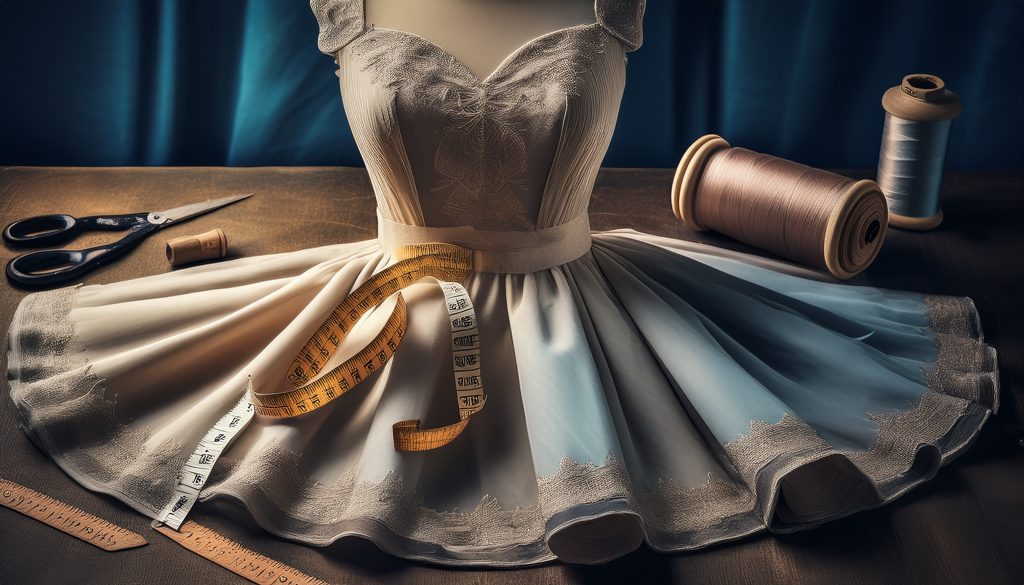
Start With a Wardrobe Audit: Know What You Have Before You Decide What to Do With It
Before any garment goes to a tailor or gets handed off to clothes alteration services, the first step is assessment. Pull everything out. Be ruthless. For each piece, three questions:
Does the fabric still hold? Pilling, fraying at stress points, and thin patches at the elbows or cuffs are signs of structural fatigue. Some of this is repairable by people who fix clothes professionally. Some of it means the piece has genuinely run its course.
Does the silhouette still make sense? A double-breasted suit from 2009 with wide lapels and a boxy cut is not broken—it is simply out of step. A skilled tailor made clothing alterations service can slim the body, narrow the lapels, and modernize the silhouette without touching the fabric’s original character.
Does it still fit correctly? This is where most men have the most to reclaim. Body weight fluctuates. Fitness levels change. A suit that once draped perfectly may now pull at the chest or swim at the waist. That is not a reason to discard it. That is a reason to seek out alteration tailors near me.
Creative Approaches to Upcycling Old Clothing at Home
Some upcycling moves are within reach for anyone with a basic sewing kit and patience. These are not full-scale transformations—they are smart, targeted adjustments that can extend a garment’s life without professional intervention.
Shortening trouser breaks is one of the most impactful changes a person can make at home. A trouser with too much break looks sloppy regardless of the fabric or cut. A clean hem, hitting right at the top of the shoe, reads instantly more modern. Basic hand-stitching or iron-on hemming tape can get this done in under an hour.
Replacing buttons is a cost-almost-nothing move that changes everything. The buttons on a blazer are often the first thing the eye lands on. Swapping plastic or faux-horn buttons for genuine horn, mother of pearl, or gunmetal can re-categorize a mid-level sport coat into something that reads distinctly premium. No sewing machine required—a needle, thread, and the right button are all it takes.
Converting a formal shirt into a casual one works surprisingly well when a button-down has developed collar fraying or a stain near the cuff. The collar can be removed and the shirt worn open-neck. The cuffs can be cut and rolled to a clean edge. What was a workwear shirt becomes a sharp casual layer in minutes.
Repurposing a blazer as a separate is a move that Atlanta’s style-conscious men already know. A solid navy or charcoal blazer that no longer pairs with its original trousers—because the trousers are worn out or lost—becomes a versatile sport coat when worn with denim or tailored chinos. The key is ensuring the blazer’s shoulder still fits. If it does not, that is a conversation for a tailor.
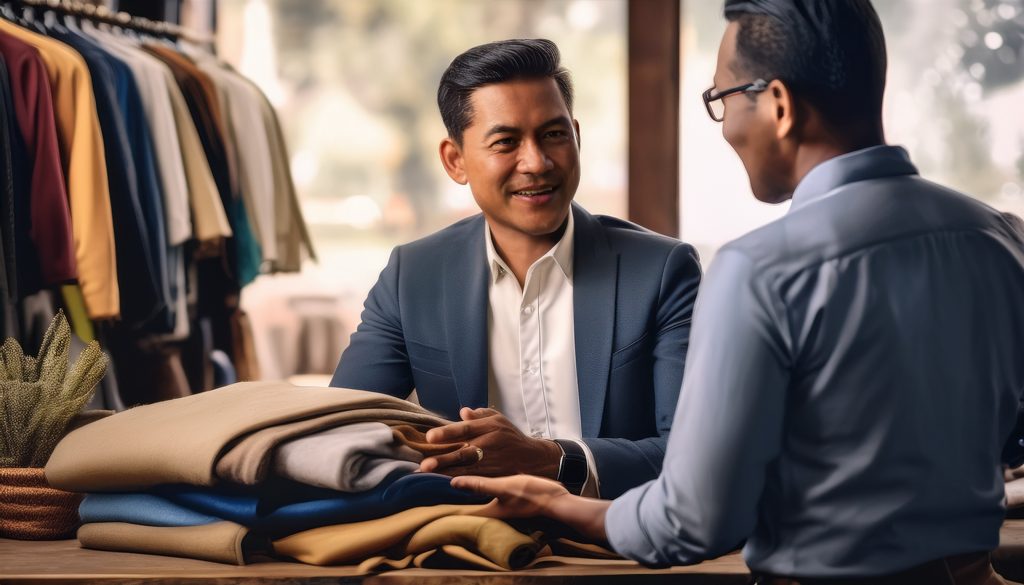
Where Home Upcycling Has Limits—And Why Professional Help Makes the Difference
There is a point in every upcycling project where home effort starts costing more than it saves. Threading a needle through a suit jacket’s lining, taking in a side seam without disturbing the original stitching, or restructuring a shoulder are not beginner tasks. Getting them wrong does not just fail to help—it can permanently compromise the garment.
This is why the most intelligent approach to upcycling treats professional tailoring services not as a last resort, but as a first resource for anything structural.
Consider the custom suit. A man who invested in a custom suit atlanta five years ago—paying for Italian wool, a canvassed chest, and a silhouette cut to his body at the time—should not abandon that garment because his measurements have shifted. Custom tailored suits atlanta built to proper standards are constructed with seam allowances precisely to allow for future alterations. A skilled tailor can let out or take in the seat, chest, and waist, and the suit can return to feeling like it was made yesterday. Because, structurally, it was.
The same logic applies to anything that once required craftsmanship to create. A vintage dress shirt with a treasured monogram. A sport coat sourced on a trip abroad. A structured coat that cost three months of saving. These pieces deserve garment tailor-level attention, not guesswork.

The ATL Tailor Approach: Upcycling as a Craft, Not a Workaround
At ATL Tailor, the philosophy behind clothes alteration services is rooted in Vietnamese tailoring traditions that treat every garment as an opportunity rather than a problem. The head tailor is trained in this craft from childhood—a level of commitment that has built an intuitive relationship with fabric, structure, and proportion that no amount of online tutorial can replicate.
When a client brings in a suit for alteration, the assessment goes beyond the seams. The tailor evaluates the fabric’s drape under movement, the internal construction’s integrity, and how any proposed change will affect the garment’s overall balance. That is not standard alteration shop thinking—that is bespoke clothing thinking applied to every project, regardless of the piece’s original price point.
This approach is why ATL Tailor’s work has been trusted by designers, musicians, and Hollywood studios. A film costume that needs emergency resizing. A musician’s stage suit requires a structural rebuild before a tour. A corporate attorney’s navy jacket that needs the chest taken in and the shoulders re-pitched before a Monday morning deposition. Each of these requires the same thing: precision, speed, and certainty.
For clients in Atlanta, that certainty is backed by turnaround times that match the pace of a city that moves fast. Alterations can be completed in as little as two hours. A fully custom suit atlanta—built from scratch, measured and constructed to exact specification—is ready in seven days. For clients who cannot step away from their schedule, ATL Tailor offers house or office visits for measurements and delivery. The wardrobe gets handled. The calendar stays intact.
Specific Upcycling Projects Worth Taking to a Professional
Knowing when to call clothing repair near me versus handling something at home comes down to the complexity of the change. Here are the projects where professional involvement is not optional—it is essential.
Suit jacket restructuring goes beyond alteration. When a blazer or suit jacket requires shoulder adjustment, side seam work combined with a sleeve pitch change, or any modification to the chest canvas, the internal architecture of the garment is at stake. A garment tailor with experience in structured menswear can do this. Most alteration shops cannot.
Wedding attire is one of the highest-stakes upcycling opportunities in any wardrobe. A groom’s suit worn once and perfectly preserved is a candidate for a full second-life transformation—slimmed, modernized, repurposed.
Wedding dress alterations atlanta ga are similarly nuanced: lace, beading, and structured bodices require hands that have worked with these materials specifically. ATL Tailor’s head tailor has that experience, and the work is always done in-house, never outsourced.
Bespoke redesign—where a garment’s original purpose is changed entirely—requires the most skill. A tuxedo jacket converted into a dinner suit separate. A structured coat rebuilt with a different collar style. A blazer deconstructed and re-made in a new silhouette. This is not mending and alterations near me territory. This is design your own clothing territory, where the vision requires a craftsperson with enough technical vocabulary to execute it.
Custom dress work for women follows the same principle. Custom dresses that no longer fit due to body changes are among the most salvageable pieces in any wardrobe—provided the fabric is sound and the original construction was quality. ATL Tailor’s capabilities as a dressmaker in atlanta extend to full redesigns that retain the original garment’s spirit while updating its fit and silhouette to current standards.
How to Talk to a Tailor About Upcycling Old Clothes
One barrier that keeps men from using alteration tailors near me is not knowing how to articulate what they want. Tailors are craftspeople, not mind-readers. The clearer the brief, the better the outcome.
Bring reference images. A photograph of how the garment looked at its best—or a reference image of the silhouette being targeted—gives the tailor a visual goal to work toward. Do not assume verbal description is enough.
Be honest about the garment’s history. Dry-cleaning chemicals, home washing, previous alterations—all of these affect what is possible. A tailor who knows the full picture can give an accurate assessment rather than discovering complications mid-project.
Ask about what is not possible, not just what is. The best tailors will tell a client when a garment has reached the end of its structural life. That honesty is worth more than a shop that takes the money and delivers a compromised result.
Upcycling Old Clothes in Atlanta
A wardrobe is not a collection of items. It is a set of tools. When those tools stop working as expected—because the fit has shifted, the style has evolved, or the garment needs structural attention—the answer is not to replace them blindly. The answer is to assess, address, and where the work demands it, call people with real skill.
Atlanta’s tailor for suit alterations, custom dress rebuilds, clothing repair, and full bespoke redesign is operating out of one location, with all work done in-house, and turnarounds that match the pace of a city that does not slow down for a wrinkle.
ATL Tailor is ready when the wardrobe is not.Book a consultation today. Visit ATL Tailor to schedule your fitting, request a house or office visit, or bring in a garment for assessment. The right tailor does not just fix clothes—they restore what the clothes were always supposed to do.