

When a suit fits perfectly, it changes how a person moves through the world. The shoulders sit naturally. The sleeves break at exactly the right place. The jacket follows the lines of the body instead of fighting against them.
But most garments don’t start out that way.
Even expensive designer suits often require adjustments to truly fit the wearer. That’s where professional tailoring comes in. A skilled tailor reshapes garments to match the individual—correcting proportions, improving silhouette, and transforming off-the-rack clothing into something that feels personal.
For professionals in Atlanta who rely on their appearance to make an impression, understanding the limits and possibilities of tailoring is essential. Whether it’s a business suit, eveningwear, or wedding attire, alterations can dramatically elevate how clothing fits and performs.
This guide explains what alterations can realistically achieve, what they cannot fix, and when it may be smarter to invest in a fully custom garment instead.
Why Alterations Matter More Than Most People Realize
Many people assume tailoring is simply about hemming pants or tightening a waistline. In reality, alterations are about engineering the entire silhouette of a garment.
Ready-made clothing is designed to fit an “average” body. The challenge is that very few people actually have average proportions.
Some men have broader shoulders than their chest size suggests. Others have forward posture from long hours at a desk. Sleeve lengths, torso proportions, and leg shapes vary widely.
A professional tailor studies these differences and adjusts the garment accordingly.
When done correctly, alterations can:
- Improve the balance and proportions of a jacket
- Remove excess fabric that causes a sloppy appearance
- Allow clothing to move naturally with the wearer
- Enhance posture and presence
Professionals searching for alterations Atlanta services are often surprised at how much a well-executed adjustment can change the look of a garment. A properly tailored suit appears sharper, more confident, and noticeably more expensive—even when the original piece was modestly priced.
Common Alterations That Instantly Improve Fit
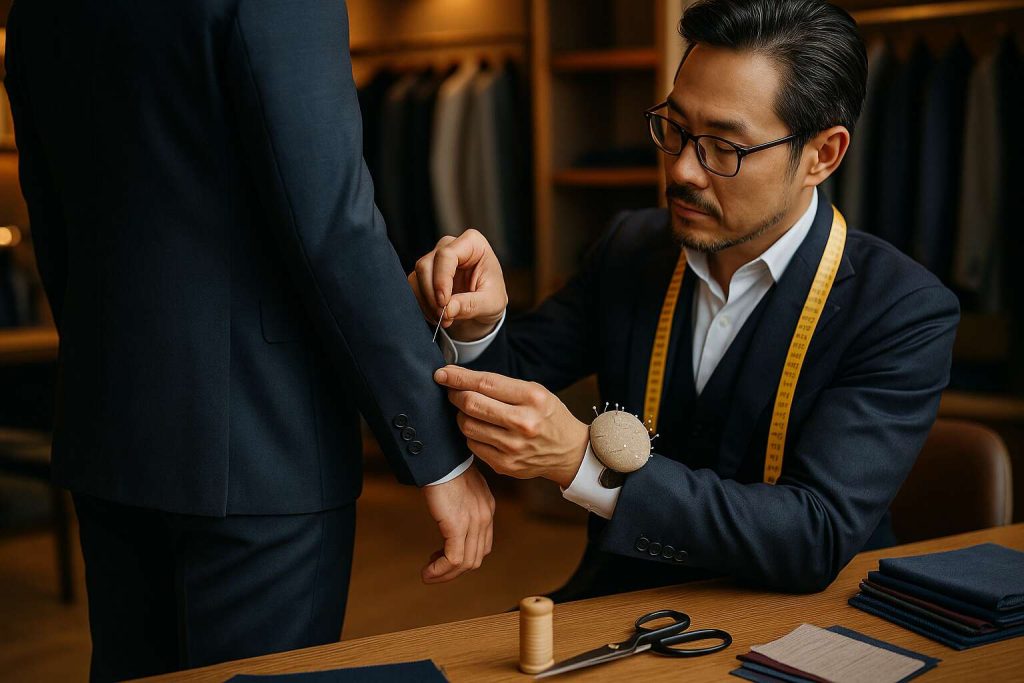
A skilled tailor can modify several parts of a garment to dramatically improve how it fits and drapes.
Jacket Adjustments
Suit jackets are the most complex garments to alter because they contain multiple layers of fabric, lining, and internal structure.
Common jacket alterations include:
- Taking in or letting out the waist: This creates a cleaner silhouette and prevents the “boxy” appearance common in off-the-rack jackets.
- Shortening sleeves: Sleeve length is one of the most noticeable indicators of proper tailoring. The ideal sleeve shows a small portion of the shirt cuff.
- Tapering sleeves: Removing excess fabric along the sleeve creates a sharper, more modern profile.
- Adjusting jacket length: This alteration must be approached carefully because it affects the balance of the garment.
When done by an experienced tailor for suit alterations, these changes can make a ready-made jacket look significantly more refined.
Trouser Alterations
Trousers are typically the easiest garment to alter and can dramatically improve overall appearance.
Common adjustments include:
- Hemming pant length: The break of the trousers—how the fabric rests on the shoe—plays a major role in a polished look.
- Waist adjustments: Tailors can take in or let out the waist to create a comfortable, secure fit.
- Leg tapering: Slimming the leg creates a contemporary silhouette without restricting movement.
- Seat adjustments: Excess fabric around the seat can make trousers appear sloppy. Tailors reshape this area for a cleaner drape.
These relatively simple changes can transform an ordinary pair of pants into something that feels made specifically for the wearer.
Tailoring for Posture and Body Structure
One of the most overlooked aspects of tailoring is how body posture affects clothing.
Two people with identical measurements may wear the same jacket very differently due to posture differences.
Common posture variations include:
- Forward shoulders
- Sloped shoulders
- Prominent chest
- Rounded upper back
These factors influence how fabric drapes across the body.
Experienced tailors compensate by adjusting the garment’s internal structure and seam placement so the clothing follows the wearer’s natural stance.
For professionals seeking custom tailored suits Atlanta clients trust, this level of adjustment is what separates true tailoring from basic alterations.
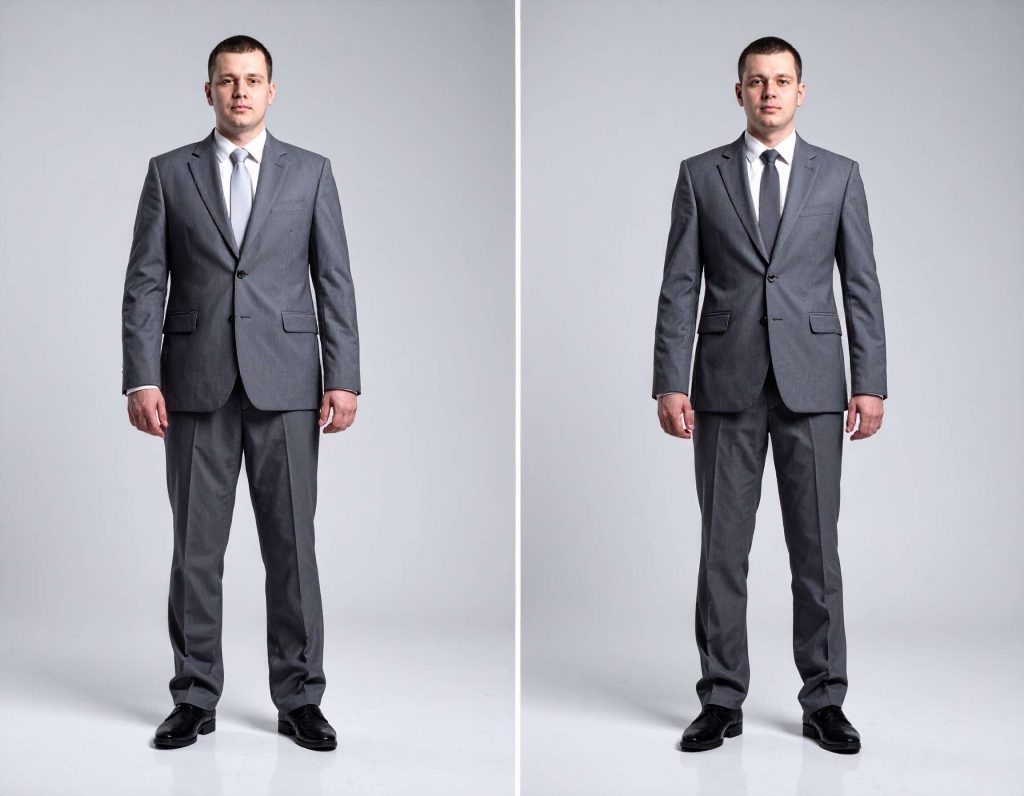
Emergency Alterations for Last-Minute Events
Life doesn’t always allow weeks for tailoring.
A wedding invitation appears unexpectedly. A business conference moves up. A suit that fit perfectly last year suddenly feels off.
Many people assume alterations require long waiting periods, but experienced tailoring shops that work entirely in-house can complete simple adjustments much faster.
Typical rush alterations may include:
- Pant hemming
- Waist adjustments
- Sleeve shortening
- Minor tapering

Because ATL Tailor completes work entirely in-house, certain simple alterations can be finished in as little as two hours—an advantage made possible by maintaining full control of the tailoring process from start to finish.
For busy professionals preparing for events, this level of speed can make the difference between looking average and arriving fully prepared.
Wedding Garment Alterations
Formal events require even greater precision in tailoring.
Bridal gowns, tuxedos, and formal suits must fit perfectly not only for comfort but also for photographs that will last a lifetime.
Wedding dress alterations atlanta ga services often involve multiple fittings because of the complexity of bridal garments.
Typical bridal alterations include:
- Hem adjustments for train length
- Bust and waist shaping
- Strap and sleeve modifications
- Lace or embellishment adjustments
Each gown requires a personalized approach because bridal fabrics, structure, and detailing vary dramatically.
Similarly, tuxedos and wedding suits often require adjustments to ensure the groom and wedding party look cohesive and well-fitted.
What Tailors Cannot Fix
Although tailoring can achieve remarkable transformations, it is not magic. Some garment issues simply cannot be corrected without compromising the design.
Understanding these limits helps clients make better decisions when purchasing clothing.
Shoulders That Are Too Small
The shoulders of a jacket define its structure. If they are too tight, expanding them is extremely difficult and rarely produces a clean result.
A jacket should always fit correctly in the shoulders before any other alterations are considered.
Garments That Are Too Small Overall
Tailors can let garments out slightly if extra fabric exists in the seams. However, clothing that is significantly too small cannot be expanded enough to fit comfortably.
Extremely Cheap Construction
Low-quality garments often lack the seam allowances and internal structure required for effective alterations.
Without these structural elements, tailoring options become limited.
Major Style Transformations
Altering a classic suit into a completely different style—such as turning a traditional cut into an ultra-slim silhouette—may require rebuilding large portions of the garment.
At that point, creating a new suit is usually more practical.
Alteration Cost Expectations
Many clients wonder how much tailoring typically costs.
Pricing varies depending on garment complexity and fabric construction.
Common alteration ranges may include:
Basic alterations
- Pant hemming
- Minor waist adjustments
- Sleeve shortening
These are typically the most affordable services.
Intermediate alterations
- Jacket waist suppression
- Pant tapering
- Seat adjustments
These require more labor but remain relatively straightforward.
Complex alterations
- Restructuring jacket balance
- Shoulder adjustments
- Bridal gown tailoring
These alterations demand significant expertise and time.
Investing in quality tailoring often extends the life of garments and improves how frequently they are worn, making alterations a practical long-term investment.
When It’s Better to Choose a Custom Suit
Sometimes alterations reach their limits.
If a person consistently struggles with fit issues across multiple garments, the better solution may be commissioning a custom suit atlanta professionals rely on.
A fully custom suit offers advantages such as:
- Fabric selection tailored to personal preference
- Precise body measurements
- Posture adjustments built directly into the garment
- Personalized styling details
Instead of modifying an existing piece, the suit is designed from the beginning around the wearer’s body.
This approach eliminates many of the compromises inherent in ready-made clothing.
Professionals who invest in custom tailored suits atlanta clients frequently request often discover that the experience saves time in the long run because fewer adjustments are needed after production.
Why In-House Tailoring Matters
One of the biggest differences between tailoring shops is where the work actually happens.
Many businesses accept garments but send alterations to external contractors, which increases turnaround time and reduces quality control.
In contrast, shops that complete all tailoring on site maintain direct oversight of every stage of the process.
ATL Tailor’s team performs all work in-house under the supervision of a master tailor with decades of experience, ensuring consistency, precision, and faster completion times.
This approach allows the shop to handle both everyday alterations and intricate custom work while maintaining high standards.
How to Choose the Right Tailor
Finding a skilled tailor is about more than convenience.
Professionals seeking a reliable partner for wardrobe refinement should consider several factors:
- Experience and craftsmanship: Tailoring is a technical craft that improves with years of practice.
- In-house capability: Shops that perform work internally typically offer better consistency and faster service.
- Clear communication: A good tailor explains what is possible and sets realistic expectations.
- Understanding of modern fit: Tailoring should enhance contemporary style while maintaining classic proportions.
These qualities distinguish a true tailoring specialist from basic alteration services.
The Confidence of a Perfect Fit
Clothing that fits properly does more than improve appearance. It changes posture, presence, and confidence.
Professionals often notice that once their wardrobe is properly tailored, they carry themselves differently in meetings, events, and social settings.
A skilled tailor becomes more than a service provider. They become a partner in presentation.
Whether adjusting a suit for a corporate event, refining trousers for everyday wear, or performing detailed wedding dress alterations atlanta ga clients trust, the goal remains the same: creating clothing that reflects the person wearing it.
Experience the Difference Professional Tailoring Makes
A well-fitted garment communicates confidence before a single word is spoken.
For those searching for alterations Atlanta professionals trust—or considering investing in a custom suit atlanta wardrobe staple—the right tailoring partner makes all the difference.Visit ATL Tailor to schedule a fitting or consultation and discover how expert craftsmanship can transform the way clothing fits, feels, and performs.